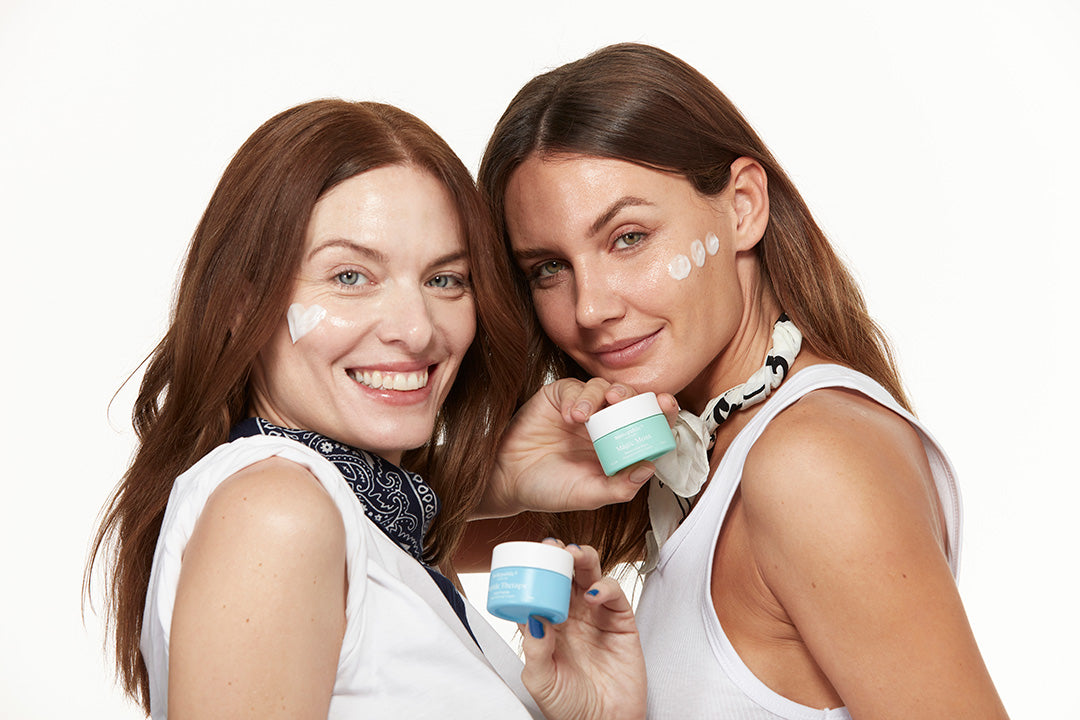
Between dry cabin air, sleep disruption, recycled airflow, altitude-related UV exposure, and dehydration, air travel places the skin under a surprising amount of physiological stress.
Frequent travelers often notice the effects immediately after landing:
- tighter skin
- dullness
- puffiness
- increased fine-line visibility
- irritation
- breakouts
- sensitivity
But these changes are not only cosmetic. Research suggests the in-flight environment can temporarily impair the skin barrier and increase transepidermal water loss, one of the key mechanisms associated with dehydration and premature visible aging.
The Airplane Cabin Environment Is Extremely Dry
At cruising altitude, aircraft cabin humidity typically falls between 10% and 20% — significantly lower than the 30–60% humidity range generally considered comfortable for skin and respiratory health.
For comparison:
- Most homes average around 40–60% humidity
- Many deserts average around 20–25%
- Airplane cabins often drop below 20%
This matters because skin depends on water balance to maintain elasticity, resilience, and barrier integrity.
When humidity drops dramatically, water evaporates more easily from the surface of the skin through a process called transepidermal water loss.
What Happens to Skin During Long Flights?
1. Increased Transepidermal Water Loss (TEWL)
TEWL refers to the passive loss of water through the epidermis. Studies in dermatology have shown that low-humidity environments accelerate this process.
As TEWL increases, skin can become:
- dehydrated
- rough
- more reactive
- less elastic
- visibly dull
This is why skin often feels “tight” mid-flight. Barrier disruption also makes it harder for skin to retain moisture even after landing.
2. Fine Lines Become More Visible
Dehydrated skin temporarily loses volume and flexibility.
When water content decreases:
- fine lines appear deeper
- skin texture becomes more pronounced
- makeup settles unevenly
- under-eyes look more hollow or fatigued
This does not mean collagen suddenly disappears after one flight. But repeated dehydration cycles may contribute to cumulative structural stress over time.
3. Oxidative Stress Increases at Altitude
Flying exposes the body to higher levels of oxidative stress for several reasons:
- increased UV radiation exposure at altitude
- circadian rhythm disruption
- inflammation associated with travel fatigue
- poor sleep quality
- dehydration
Some studies have shown that UV exposure increases significantly at higher altitudes, particularly for pilots and frequent flyers.
Oxidative stress matters because free radicals can contribute to collagen breakdown and skin barrier dysfunction.
4. Puffy Eyes and Fluid Retention
Long periods of sitting combined with cabin pressure changes can slow circulation and contribute to temporary fluid retention.
This is especially noticeable around the eyes, where skin is thinner and more delicate.
The result:
- puffiness
- swelling
- tired-looking eyes
- increased shadowing under the eyes
5. Travel Stress Impacts the Skin Barrier
Travel itself is physiologically stressful.
Lack of sleep, irregular meals, alcohol, dehydration, and elevated cortisol levels can all influence:
- inflammation
- oil production
- skin sensitivity
- barrier recovery
This helps explain why some people break out after flying while others experience dryness or redness.
Can Flying Permanently Age Your Skin?
A single flight will not “destroy collagen.” But chronic exposure to dehydration, UV radiation, oxidative stress, and sleep disruption can contribute to visible aging over time, especially for frequent travelers.
The bigger issue is cumulative stress and inadequate recovery.
Think of flying less as “instant aging” and more as repeated barrier disruption.
How to Protect Skin Before and After a Flight
Before Flying
The goal is to strengthen the skin barrier before exposure.
Focus on:
- hydration
- barrier-supportive skincare
- minimizing irritation
Helpful ingredients include:
- hyaluronic acid
- peptides
- ceramides
- glycerin
- antioxidants
Avoid over-exfoliating or using strong actives immediately before a long-haul flight.
During the Flight
Dermatologists generally recommend:
- drinking more water than usual
- limiting alcohol
- avoiding harsh cleansers
- using occlusive or hydrating products to reduce TEWL
After Landing: Focus on Recovery
Post-flight skin benefits most from:
- deep hydration
- de-puffing support
- calming ingredients
- antioxidant replenishment
This is where recovery-focused masks can help temporarily restore comfort, hydration, and visible plumpness after travel stress.
Ingredients commonly used for post-flight recovery include:
- peptides
- snow algae
- moss extracts
- niacinamide
- hyaluronic acid
- soothing botanicals
The goal is not to avoid flying, it is to support skin recovery before cumulative stress becomes visible.